
Rise of a Tribal Leader in West Bengal Politics
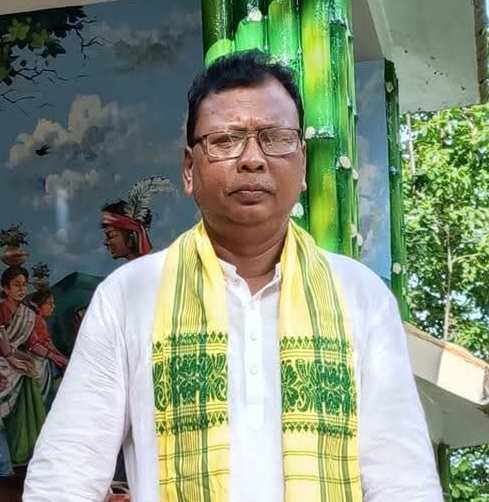
In the villages of Jangalmahal, where dense forests meet red earth and indigenous communities have long carried stories of resilience, another story has emerged—one of perseverance, education, and political transformation. It is the story of Kshudiram Tudu, a former teacher who rose to become a minister in the Government of West Bengal.
His journey reflects not only personal achievement but also the aspirations of tribal communities seeking stronger representation in governance.
Early Life: Rooted in Community
Kshudiram Tudu was born into a tribal family in Bagdubi village of Bankura district, growing up amidst rural realities familiar to many in western Bengal. The region has historically faced challenges relating to infrastructure, education, and economic opportunities.
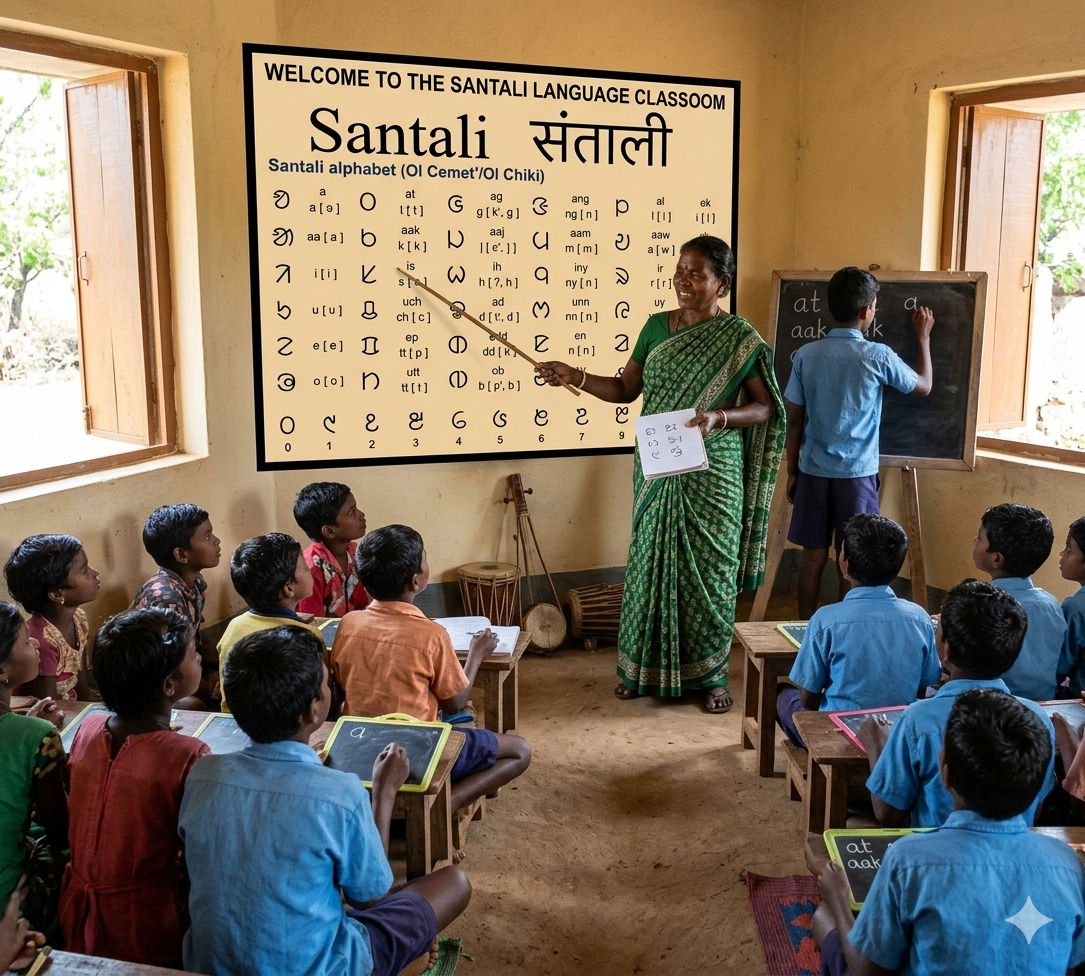
Before entering active politics, Tudu worked as a school teacher, dedicating years to educating young students. For many rural families, teachers remain among the most trusted figures in society, and Tudu’s early public role was built around education and community engagement.
Those who knew him describe his background as deeply connected to ordinary people and grassroots concerns.
Transition into Public Life
Over time, Kshudiram Tudu emerged as a recognizable political figure among tribal communities. His engagement with local issues and regional concerns gradually expanded beyond education.
The politics of Jangalmahal, a region often central to discussions around tribal identity and development, provided the backdrop to his rise.
His political journey gained wider attention through his increasing involvement in issues concerning indigenous communities and local development.
Electoral Victory and Growing Influence
The 2026 West Bengal Assembly Elections marked a major turning point.
Representing the Ranibandh (ST) Assembly constituency, Kshudiram Tudu secured a significant electoral victory, reinforcing his position as an influential tribal leader in the region.
The outcome reflected changing political dynamics and highlighted growing support among voters in tribal-dominated constituencies.
Appointment as Minister
In May 2026, Kshudiram Tudu took oath as a Cabinet Minister in the Government of West Bengal, marking a historic milestone in his political journey.
One moment from the oath-taking ceremony drew particular public attention—his reported use of the Santali language during the ceremony, symbolizing cultural pride and indigenous linguistic identity.
For many observers, this represented more than a ceremonial choice; it reflected continuing efforts toward greater visibility for tribal languages within public institutions.
Expectations and Challenges
With ministerial responsibility comes heightened expectations.
Communities look toward leadership for improvements in:
- Education and literacy
- Tribal welfare and development
- Preservation of indigenous languages and culture
- Employment and economic opportunities
- Representation within governance structures
As a minister associated with tribal welfare concerns, Kshudiram Tudu now carries responsibilities extending beyond electoral politics.
A Symbol of Representation
The story of Kshudiram Tudu illustrates a broader narrative seen across many indigenous communities: the transition from local leadership to positions of wider political influence.
His journey—from teaching in classrooms to serving in government—has become, for supporters, a symbol of aspiration and representation.
Whether viewed through the lens of politics, education, or tribal empowerment, his rise reflects changing realities in contemporary West Bengal.
The story remains unfinished.
The next chapters will be written not by titles or positions, but by policies, actions, and their impact on communities.