
CBSE Includes Santali Language in Curriculum: A Significant Step Towards Linguistic InclusionThe inclusion of the Santali language in the Central Board of Secondary Education (CBSE) curriculum marks an important milestone for linguistic diversity and mother tongue education in India. The decision is expected to strengthen educational opportunities for Santali-speaking students and contribute to the preservation and promotion of indigenous languages.
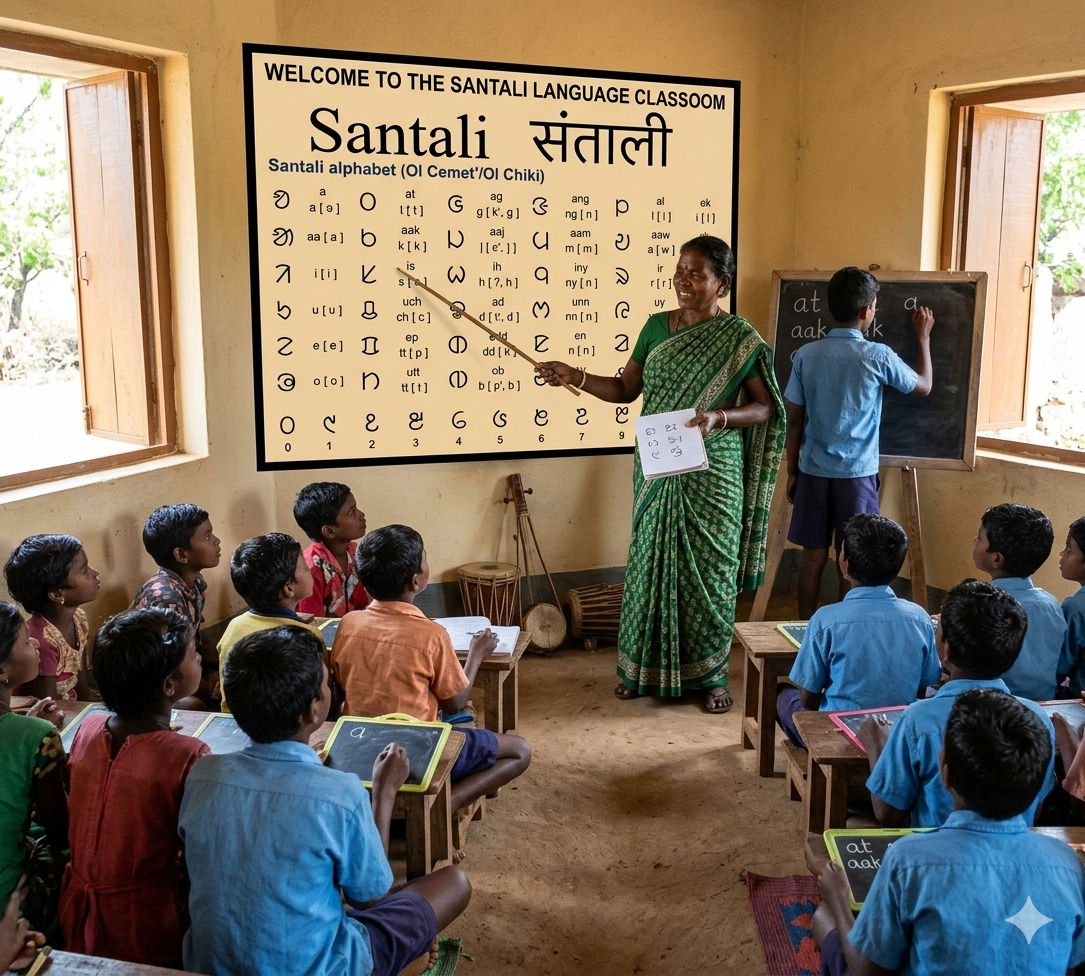
Santali, one of the recognized Scheduled Languages of India and written primarily in the Ol Chiki script, is spoken by millions across states such as Odisha, Jharkhand, West Bengal, Assam and neighbouring regions. The language has a rich literary tradition and carries deep cultural significance among the Santali community.
The availability of Santali within the CBSE framework may help students learn in or engage with their mother tongue, potentially improving comprehension, cultural connection and educational participation. Advocates of mother tongue education have long argued that early education in native languages contributes positively to learning outcomes and reduces barriers faced by indigenous communities.
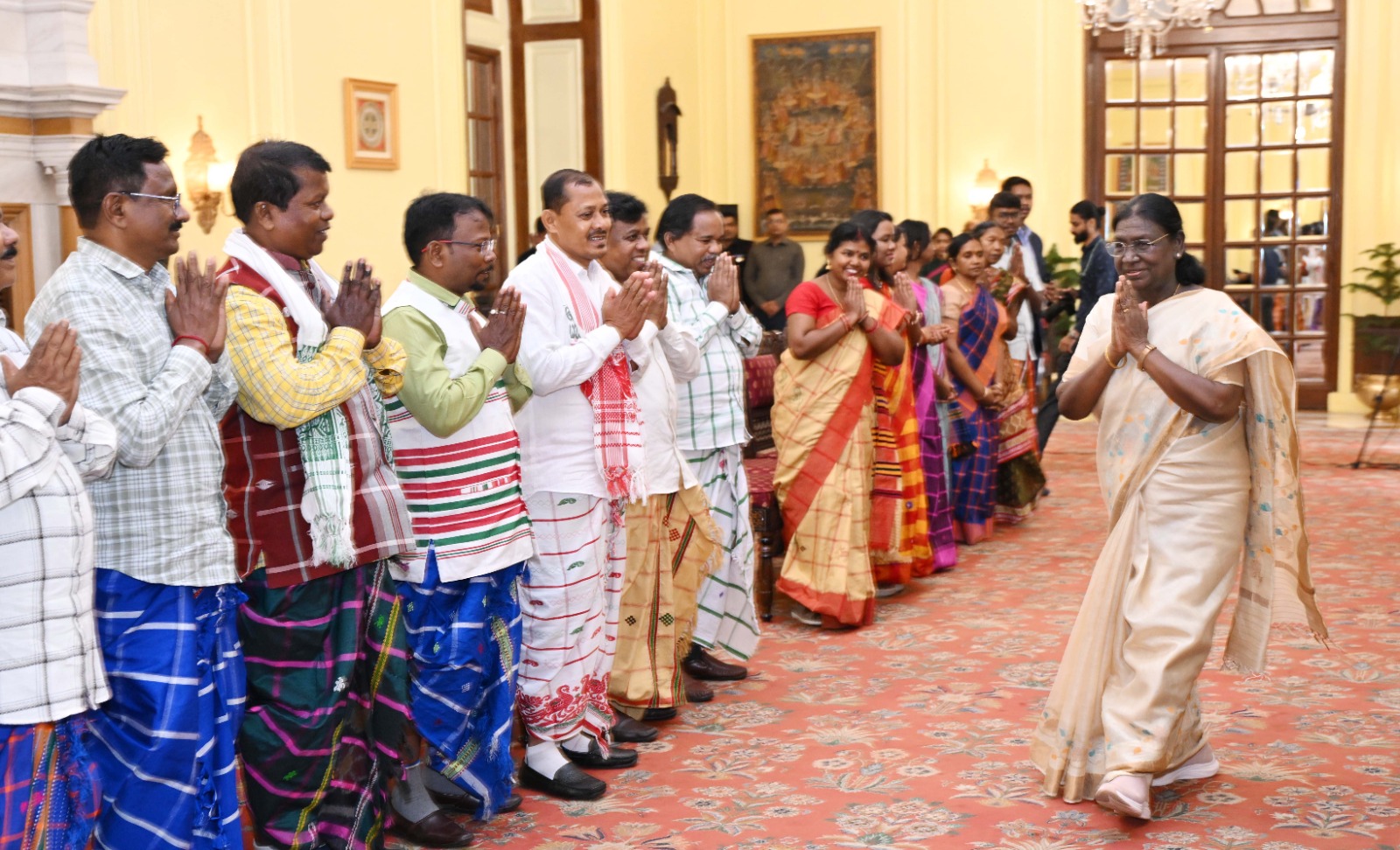
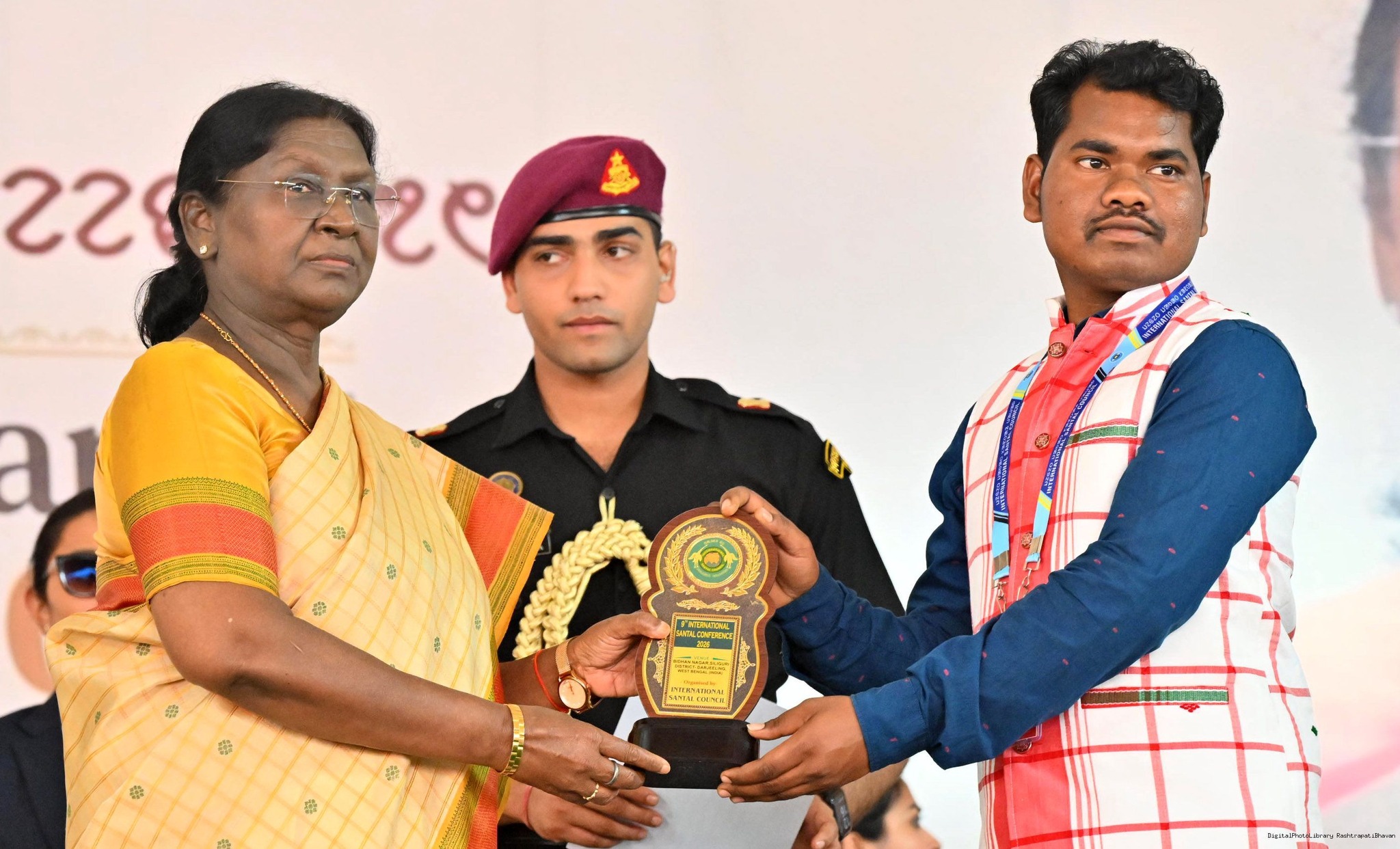
Language activists, educators and community members have welcomed the move as a step toward greater representation of indigenous knowledge systems within mainstream education. The development is also viewed as recognition of long-standing efforts by Santali scholars, teachers, writers and cultural organizations working for the advancement of the language.
The inclusion of Santali in national educational frameworks highlights broader conversations around multilingual education, cultural preservation and equitable access to learning. Continued implementation, teaching resources and awareness will play important roles in determining the long-term impact of this initiative.
The development represents an encouraging moment for the Santali language community and reinforces the importance of preserving linguistic diversity within educational institutions.