
Language is more than a means of communication; it is a vessel for culture, emotion, and shared histories. In an era where indigenous languages risk fading into digital obscurity, the urgency to preserve them is critical.
This is the story of Ramjit Tudu, a young Language Digital Activist from Gobindpur in Odisha’s Mayurbhanj district, who transformed his frustration with modern technology into a digital revolution for the Santali language.
The Catalyst for Change
Growing up in a large family as the youngest of six siblings, Ramjit developed a deep appreciation for hard work and resilience. After pursuing a diploma in Mechanical Engineering, it was his passion for programming that ultimately defined his path.
The turning point arrived in 2014. Upon receiving his first mobile phone, Ramjit confronted a stark reality: while information on the internet was boundless, it was entirely unavailable in his mother tongue, Santali. The lack of digital support for the Ol Chiki script made it impossible to communicate with family or post on social media in his native language. This frustration became the catalyst for a lifelong mission to digitize Santali.
Building the Foundation
Determined to bridge this digital divide, Ramjit began researching ways to integrate the Ol Chiki script into modern technology. Using his pocket money, he spent countless hours in internet cafés developing websites that would support the script.
Recognizing that this monumental task required collaboration, Ramjit teamed up with his friends R Ashwani Banjan Murmu and Bapi Murmu. They founded Olchiki Tech. Together, they launched an online portal providing step-by-step guides for enabling Ol Chiki across various devices, finally allowing users to text, chat, and post in Santali.
The Wikipedia Milestone
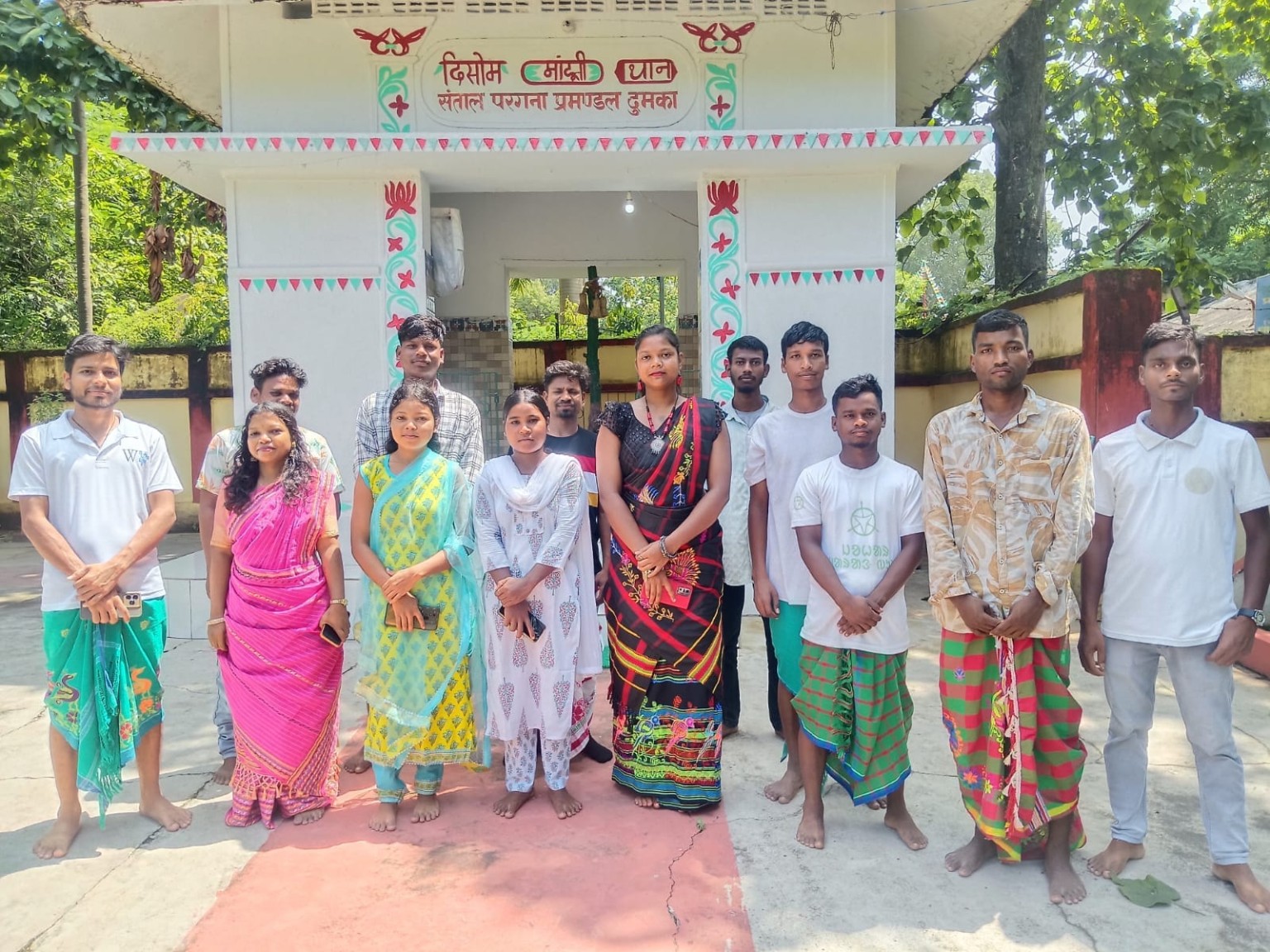
The ultimate testament to their collaborative effort was the development of the Santali Wikipedia. The project’s roots traced back to 2012, but the team drastically accelerated its development in 2017. Despite the team being geographically scattered, they coordinated tirelessly, eventually securing support from the Odia Wikimedia community and hosting their first workshops to bring more people into the movement.
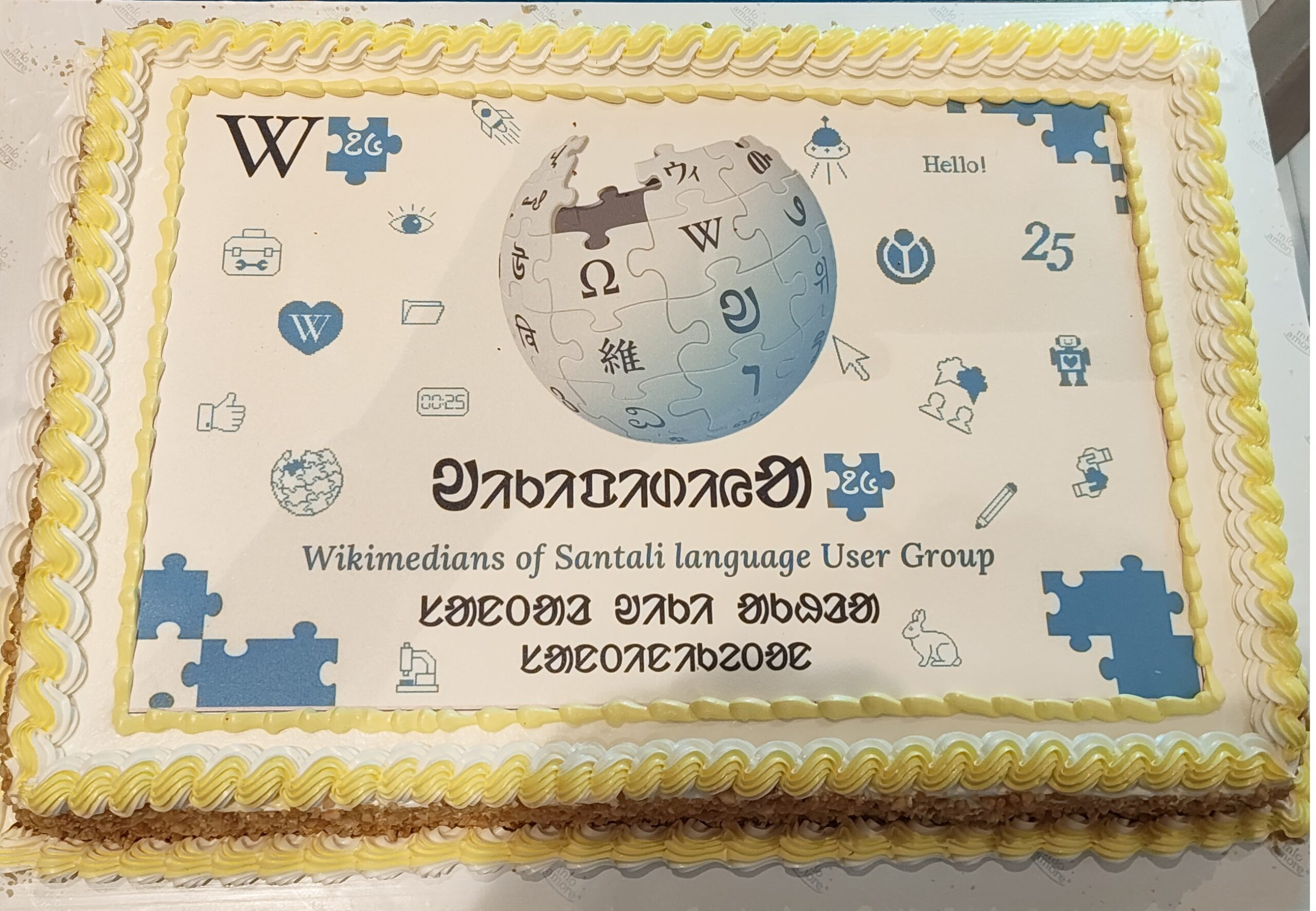
By 2018, their dedication materialized when the Santali Wikipedia officially went live. Designed intentionally as an open-source database, the platform quickly amassed over 15,000 articles spanning diverse topics, making global knowledge accessible to Santali speakers across India and neighboring countries like Bangladesh, Nepal, and Bhutan.
Timeline of the Santali Digital Revolution
The Wikipedia Vision
2012
The initial concept and groundwork for a Santali-language Wikipedia begins.
The Digital Awakening
2014
Ramjit discovers the lack of Ol Chiki support on mobile devices and forms Olchiki Tech with his collaborators.
Accelerated Development
2017
The team accelerates the Wikipedia project, hosting workshops and integrating with the broader Wikimedia community.
Santali Wikipedia Goes Live
2018
The platform officially launches, eventually growing to host over 15,000 articles for Santali speakers globally.
National Recognition
September 2024
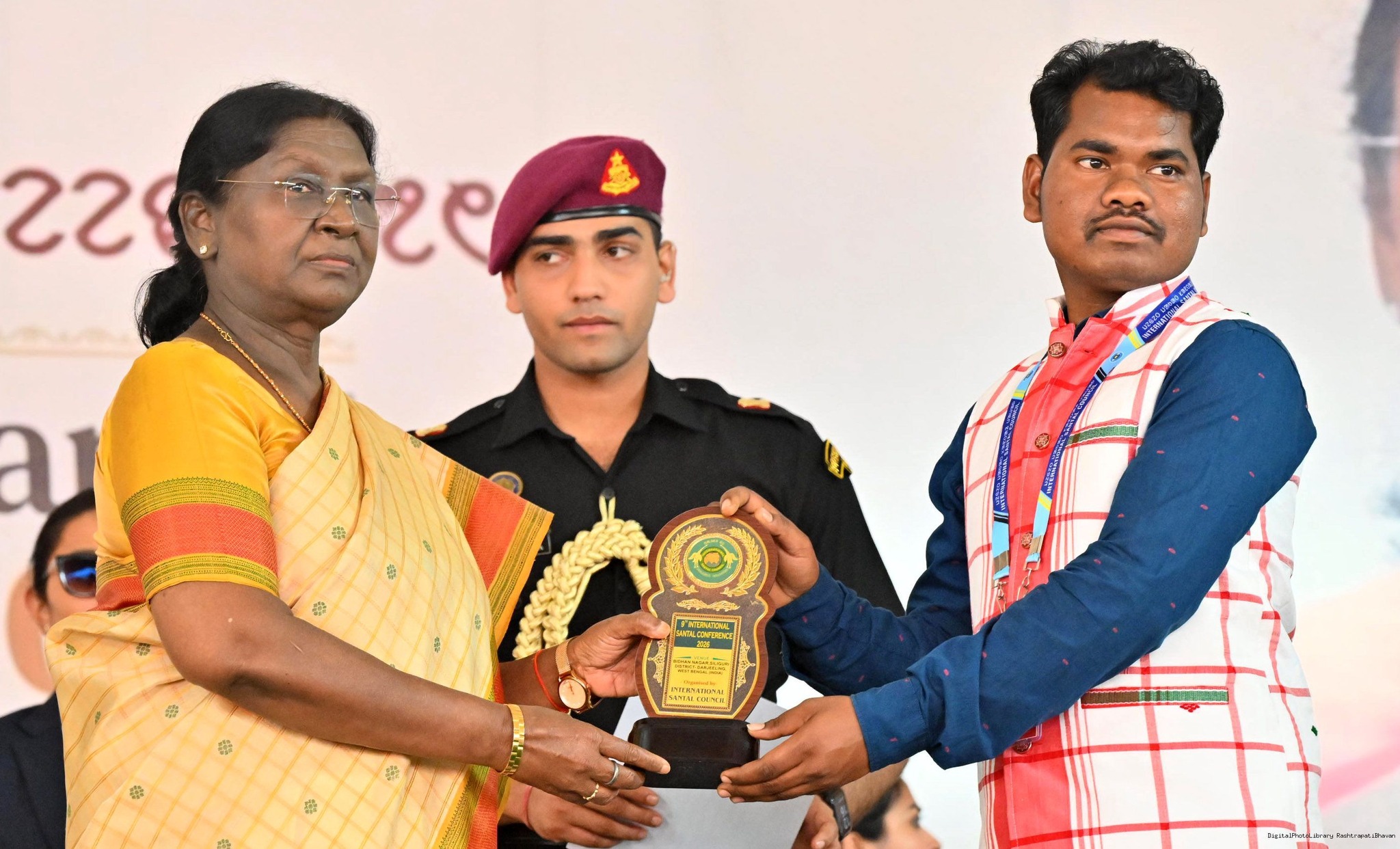
Ramjit’s incredible work is praised by Prime Minister Narendra Modi during the Mann Ki Baat radio program, highlighting the significance of indigenous digital preservation.
A Vision for the Future
Ramjit’s journey is far from over. Looking ahead, he plans to create an online translation platform to facilitate seamless communication between Santali and other languages. His vision also includes developing text-to-voice and voice-to-text tools, ensuring that the beauty of the Santali language is accessible to everyone, including the visually impaired.
Through collaboration, mentorship, and an unwavering commitment to his heritage, Ramjit Tudu has proven that with determination, even the most endangered languages can carve out a lasting space in the digital world.